
Safestyle Windows Goes Bankrupt
Safestyle UK: Nearly 700 jobs lost as glazing firm with huge Barnsley factory goes into administration. On Monday,
Safestyle UK: Nearly 700 jobs lost as glazing firm with huge Barnsley factory goes into administration. On Monday,

Property maintenance solution provider, ‘Help me fix’, surveyed 3,700 homeowners to discover the real impact the cost-of-living crisis

What is a Picture Window? Technically a picture window is simply a large window, normally without any openings,

Are roof windows worth it? Roof skylights help rooms in homes and workspaces that have poor lighting. It lightens
Discover everything you need to know about double glazing. Learn about materials, styles, colours, pricing, and expert tips to enhance your home’s comfort and efficiency.
Are you considering upgrading your windows to double glazed windows? You’re not alone! Homeowners across the UK are turning to double glazing to improve energy efficiency, reduce noise, and enhance security. But with so many options available, it can be overwhelming to make the right choice. In this ultimate guide, we’ll explore the different materials, styles, colours, and costs associated with double glazing, as well as essential tips to ensure the best results for your home.
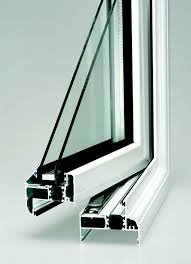
Double glazing involves the use of two panes of glass with a space in between, which is often filled with gas for added insulation. This unique construction significantly reduces heat loss and helps maintain a comfortable indoor temperature, making it a popular choice among homeowners looking to improve their energy efficiency.
When it comes to double glazing, the choice of materials can greatly influence both the performance and aesthetics of your windows. Here are the most common materials used:
Durability: uPVC is a popular choice due to its resistance to the elements, making it long-lasting and low maintenance.
Energy Efficiency: Excellent thermal insulation properties help keep heating costs down.
Cost-Effective: Generally the most affordable option for double glazing.
Strength and Durability:Aluminium window frames are incredibly strong and can support large panes of glass, resulting in sleeker designs.
Thermal Break Technology:Modern aluminium frames are often thermally broken to enhance energy efficiency.
Aesthetic Appeal: Available in a wide range of finishes and colours, aluminium frames are perfect for contemporary homes.
Classic Aesthetic: Wooden frames provide a beautiful, traditional look that many homeowners desire.
Natural Insulation: Timber is an excellent insulator, contributing to energy efficiency.
Maintenance Required: Wood frames may require more upkeep, such as painting or treating, to prevent decay.
Casement windows are hinged on one side and open outward. They can be hung from the left or right, allowing for various configurations.
Characteristics
– Available in multiple sizes and configurations.
– Excellent ventilation when opened fully.
– Can be fitted with a variety of locking mechanisms for security.
Common in modern and traditional homes, suitable for various architectural styles.
Sash windows consist of one or more movable panels (sashes) that slide vertically or horizontally. They are often associated with historical and period properties.
Characteristics
– Classic appearance with a functional design.
– Can be single or multi-sash configurations (e.g., 2-over-2).
– Available as traditional timber or modern uPVC.
Primarily found in Victorian and Georgian homes, urban areas, and conservation zones.
These windows have a versatile mechanism that allows them to either tilt inwards from the top or turn inwards from the side. They are known for their ease of cleaning and ventilation options.
Characteristics:
– Dual functionality: can open partially for ventilation or fully for cleaning.
– Offers secure locking mechanisms.
– Often used in contemporary designs.
Suitable for apartments, modern homes, and buildings where access for cleaning is a concern.
Fixed windows are non-operational windows that do not open. They serve to maximise natural light and provide unobstructed views.
Characteristics
– Available in various shapes and sizes (rectangular, square, or custom).
– Typically energy-efficient, as they don’t have moving parts.
– Can be combined with other operable window styles for aesthetic purposes.
Ideal for sunrooms, high ceilings, and modern architectural designs.
Bay windows protrude from the main wall of a house, creating a small nook within the room. They usually consist of three panes, angled to increase view and space.
Characteristics:
– Adds character and curb appeal to the property.
– Increases internal space and allows more light.
– Available in various materials, including uPVC, wood, and aluminium.
Commonly used in Victorian and Edwardian homes, as well as modern properties for enhanced aesthetics.
Bow windows are similar to bay windows but typically consist of four or more panes that curve outward, creating a soft, arch-like effect.
Characteristics:
– Creates a larger space inside compared to bay windows.
– Provides a panoramic view and increases natural light.
– Offers a unique architectural feature.
Often used in traditional homes and modern conservatories for an elegant look.
Garden windows extend outward from the house, typically featuring a small ledge for plants or decorations, making them ideal for gardening enthusiasts.
Characteristics:
– Consists of three or four panes, providing increased sunlight.
– Often has a sloped top for drainage.
– Creates a mini-greenhouse effect.
Frequently used in kitchens and dining areas where natural light is desired for plants.
Picture windows are large, fixed windows designed to provide unobstructed views of the outdoors, often bringing in maximum natural light.
Characteristics:
– Typically non-operational and available in large sizes.
– Can be customised in various shapes to fit the architecture of the home.
– Excellent energy efficiency due to fewer moving parts.
Ideal for living rooms or areas with scenic views, often combined with operable windows for ventilation.
Velux windows are roof windows often used in loft conversions or attic spaces. They allow natural light to enter from above.
Characteristics:
– Designed for sloped roofs, available in various sizes.
– Can be opened manually or automatically for ventilation.
– Enhance natural light and sense of space in upper levels.
Popular in loft conversions, attics, and rooms with sloped ceilings.
When it comes to double glazing, you have various colour options available for window frames, allowing you to select a style that complements your property’s aesthetics. The colour choices can vary by material (uPVC, aluminium, wood), and some manufacturers offer custom colours or finishes. Here’s a detailed breakdown of the common colour options available:
uPVC is a popular choice for double glazing due to its low maintenance and durability. The colour options available include:
Standard Colour Options:
– White: The most common option, providing a clean and classic look.
– Cream: A soft, off-white shade that offers a warmer appearance.
– Grey: Available in various shades, typically ranging from light to dark grey.
– Black: A sleek, modern choice for contemporary properties.
– Brown: Often used to resemble timber frames and provide a more traditional look.
Textured and Woodgrain Finishes:
– Golden Oak: Mimics the appearance of natural oak wood.
– Mahogany: Offers a rich, warm tone resembling mahogany wood.
– Rosewood: A darker wood effect that adds a traditional flair.
– White Woodgrain: A textured finish that simulates the appearance of wood.
Aluminium frames are known for their strength and modern appearance. The colour choices for aluminium windows are often more extensive and can include:
Standard RAL Colour Options:
– White: Clean and modern look.
– Black: A contemporary option that offers a dramatic effect.
– Grey: Different shades, including light grey, anthracite grey, and graphite grey.
– Brown: Various brown tones, from light brown to dark chocolate.
Custom and Anodised Finishes:
– Satin Finish: A matte finish that is less reflective.
– Gloss Finish: A shiny finish that enhances colour vibrancy.
– Textured Finish: A textured surface that adds depth and character.
– Any RAL Colour: Aluminium manufacturers often offer custom colours based on the RAL colour matching system, allowing for virtually any colour preference.
Timber frames provide a classic and warm aesthetic but usually require more maintenance. The colour options for wooden windows include:
Natural Wood Stains:
– Natural Oak: Showcases the wood’s natural grain and colour.
– Teak: A rich, dark wood stain that brings out the warmth of the timber.
– Walnut: A darker finish that provides elegance and sophistication.
– Pine: A light, natural finish that enhances the wood’s character.
Painted Finishes:
– White: A classic choice that complements various architectural styles.
– Pastels: Soft shades like light blue, green, or pink for a more personalised touch.
– Dark Colours: Options such as navy blue or black for a modern twist.
Treatment Finishes:
– Preservative Treatments: Colourless or tinted treatments that protect the wood while allowing its natural beauty to shine through.
As you can see you have a vast array of colour options that can enhance both the appearance and value of your property. The options vary based on the frame material, with uPVC offering standard and woodgrain finishes, aluminium providing a range of RAL colours, and timber presenting natural stains and painted finishes.
It’s essential to consider both aesthetic preferences and how well the chosen colours harmonise with the existing architecture and your surrounding environment. For exact colour samples and availability, it’s advisable to consult local suppliers or manufacturers who can provide you with physical samples and guidance tailored to your individual preferences.
Casement windows are hinged on one side and open outward. They are highly versatile and can be customised to suit various property styles.
– uPVC Cost: £400 – £700 per window.
– Wood Cost: £800 – £1,300 per window.
– Aluminium Cost: £600 – £1,200 per window.
Sash windows consist of two or more sliding sections (sashes) and are often found in period properties. They are known for their classic design.
– uPVC Cost: £800 – £1,500 per window (often more due to detailed designs).
– Wood Cost: £1,000 – £2,000 per window (especially for bespoke designs).
– Aluminium Cost: £1,000 – £1,800 per window.
Tilt-and-turn windows can tilt inwards for ventilation or fully turn in for cleaning, making them practical and spacious.
– uPVC Cost: £600 – £1,000 per window.
– Wood Cost: £1,000 – £1,800 per window.
– Aluminium Cost: £800 – £1,400 per window.
These windows do not open and are perfect for large glass expanses that maximise light entry.
– uPVC Cost: £400 – £800 per window.
– Wood Cost: £600 – £1,200 per window.
– Aluminium Cost: £800 – £1,500 per window.
Bay and bow windows project outward from the main walls, creating additional space and improving aesthetics and light.
– uPVC Cost: £1,000 – £2,500 per window.
– Wood Cost: £1,500 – £3,000 per window.
– Aluminium Cost: £1,500 – £3,500 per window.
Designed to create a small shelf effect that protrudes from the wall, these windows are ideal for displaying plants.
– uPVC Cost: £1,000 – £1,800 per window.
– Wood Cost: £1,200 – £2,500 per window.
– Aluminium Cost: £1,500 – £3,000 per window.
uPVC is a popular choice for double glazing due to its affordability and low maintenance. It is resistant to rot and corrosion, making it ideal for various weather conditions.
– Casement Windows: £400 – £700
– Sash Windows: £800 – £1,500
– Tilt-and-Turn Windows: £600 – £1,000
– Fixed Windows: £400 – £800
– Bay and Bow Windows: £1,000 – £2,500
– Garden Windows: £1,000 – £1,800
Wooden frames offer timeless appeal and can complement classic architecture well. However, wooden frames require regular maintenance, such as repainting and sealing to prevent rot and weathering.
– Casement Windows: £800 – £1,300
– Sash Windows: £1,000 – £2,000
– Tilt-and-Turn Windows: £1,000 – £1,800
– Fixed Windows: £600 – £1,200
– Bay and Bow Windows: £1,500 – £3,000
– Garden Windows: £1,200 – £2,500
Aluminium frames are known for their strength and durability. They can handle thinner frames and large glass areas, providing a modern aesthetic. They often come with thermal breaks for improved efficiency.
– Casement Windows: £600 – £1,200
– Sash Windows: £1,000 – £1,800
– Tilt-and-Turn Windows: £800 – £1,400
– Fixed Windows: £800 – £1,500
– Bay and Bow Windows: £1,500 – £3,500
– Garden Windows: £1,500 – £3,000
The total cost of double glazing also includes installation. Typical installation costs can range from:
– Basic Installation: £150 – £300 per window.
– Specialist Installation: £300 – £600 for complex or bespoke installations.
Factors influencing installation costs include the contractor’s experience, the complexity of the job, and any structural adjustments needed.
Additional Costs to Consider
A pre-installation survey may be required to assess feasibility, costing between £50 – £150.
Ongoing maintenance, especially for wooden frames, can cost £50 – £200 annually, depending on the extent of upkeep required.
In some cases, planning permissions or compliance with building regulations may incur additional costs ranging from £50 – £300.
Financial Considerations
Investing in double glazing can lead to significant energy savings, potentially reducing energy bills by £150 – £300 annually.
Double glazing can enhance property value, with reports suggesting an ROI of approximately 70-80% when selling properties with double glazing.
Homeowners may explore personal loans or energy efficiency grants that can help offset the initial costs associated with double glazing.
Double glazing offers you a range of significant benefits. These advantages encompass energy efficiency, comfort, security, and aesthetics, making double-glazed windows an attractive option for many. Below is a detailed list of the key benefits of double glazing:
– Reduced Heat Loss: Double glazing significantly minimises heat loss compared to single-glazed windows. The insulated gap between the two panes of glass reduces heat transfer, helping to keep homes warmer during colder months.
– Lower Energy Bills: As homes retain heat more effectively, homeowners can expect reduced energy consumption, which often leads to lower heating bills. On average, double glazing can save around £150 to £300 annually on energy costs.
– Eco-Friendly: By using less energy for heating, double glazing contributes to a lower carbon footprint. This aligns with the UK government’s goals for reducing greenhouse gas emissions and promoting sustainable living.
– Temperature Regulation: Consistent indoor temperatures are achieved with double glazing, providing a cozy environment in winter and a cooler space in summer.
– Condensation Reduction: Double glazing minimises condensation build-up on windows, which helps to prevent mold and damp issues, contributing to better air quality in the home.
– Sound Insulation: The two glass panes in double glazing act as a barrier to noise pollution, making homes quieter and more peaceful. This is particularly beneficial in urban areas or locations near busy roads.
– Increased Strength: Double-glazed windows are typically tougher than single-glazed windows, making it more challenging for intruders to break in.
– Improved Locking Mechanisms: Many double-glazed units come equipped with advanced locking systems, enhancing overall security compared to older window styles.
– Variety of Styles and Finishes: Double glazing is available in various styles (casement, sash, tilt-and-turn, etc.) and materials (uPVC, aluminium, timber). This variety allows homeowners to choose options that best fit their property’s architectural style.
– Increased Property Value: Homes equipped with double glazing are often more appealing to potential buyers, which can lead to a higher property value. Many home buyers view double glazing as a desirable feature.
– Durability: Double-glazed windows are designed to last longer than single-glazed units, which means less frequent replacement and lower long-term costs.
– Less Maintenance Required: uPVC frames require minimal upkeep—generally only periodic cleaning. Aluminium also offers low maintenance, while wooden windows may need painting or treatment.
– Customisable Options: Double-glazed windows come in an array of shapes, size options, and colour finishes, allowing homeowners to customise their windows to fit their preferences.
– Adaptability: These windows can be fitted to nearly any type of building—whether modern or traditional—making them suitable for a variety of settings.
– Grants and Schemes: You may qualify for various government grants or incentives for energy-efficient home improvements, including double glazing. Programs such as the Green Homes Grant can help offset costs.
– Sustainability: Using double glazing can contribute to reducing the reliance on fossil fuels and decrease the overall demand for energy, aligning with global efforts towards sustainability.
– Recyclability: Many of the materials used in double-glazed windows, such as aluminium and uPVC, are recyclable, making them a more sustainable choice.
– Lower Home Insurance Premiums: Homes equipped with double-glazed windows may qualify for lower insurance premiums due to the enhanced security they provide. Insurers often view double glazing as an indicator of a well-secured home.
Double glazing has numerous benefits, ranging from better energy efficiency and noise reduction to enhanced security and aesthetic versatility. While the initial investment in double glazed windows may be higher than single glazing, the long-term savings, increased home comfort, and improved environmental impact make it a worthwhile investment.
When considering double glazing, proper preparation is key to ensuring you have a successful project. Here are some essential pre-installation tips to help you prepare effectively:
– Material Selection: Familiarise yourself with the various materials available for frames (uPVC, aluminium, timber) and their benefits, costs, maintenance requirements, and aesthetic appeal.
– Window Styles: Understand the different styles (casement, sash, tilt-and-turn, etc.) available and choose one that suits both your functional needs and your home’s architecture.
– Condition Inspection: Evaluate the state of your existing windows—check for drafts, condensation, decay, or damage. This will help you assess whether you’ll require a full replacement or if repairs will suffice.
– Measurement: If possible, take accurate measurements of your existing windows. This will give you a point of reference when discussing options with suppliers or installers.
– Cost Estimates: Determine a budget for your double glazing project, factoring in both materials and installation costs. Get multiple quotes from different suppliers to gauge a fair price.
– Financial Options: Explore financing options if necessary, such as personal loans or energy-efficient home improvement grants.
– Planning Permission: Not all properties require planning permission for new windows; however, if you live in a conservation area or have a listed building, special permissions may be needed. Check with your local council or planning authority.
– Building Regulations: Ensure that the installation complies with local building regulations pertaining to energy efficiency, safety, and ventilation.
– Licensing and Insurance: Ensure the installer is registered and insured. Look for membership in recognised industry bodies, such as FENSA or CERTASS.
– Referrals and Reviews: Seek recommendations from friends, family, or online platforms. Read customer reviews to assess the quality and reliability of potential installers.
– Clear the Area: Before installation day, clear the areas around the windows to allow easy access for the installers. Move furniture, decor, and plants away from the windows.
– Protect Surfaces: Cover floors and any furniture in the vicinity with dust sheets to protect them from dust and debris during installation.
– Seasonal Considerations: Choose a time of year for installation that suits your climate and home needs. Late spring or early autumn can be ideal for many homeowners, as the weather is typically mild.
– Length of Installation: Consider how long the installation process may take and ensure you’re prepared for any disruption to your normal routine.
– Glass Specifications: Discuss energy ratings with your installer. Look for double-glazed units with low-E coatings and argon gas filling, which improve thermal performance.
– Frame Efficiency: Ensure the frame material offers good insulation properties and meets current energy efficiency standards.
– Cleaning and Maintenance: Ask your installer for cleaning and maintenance recommendations. Regular upkeep can prolong the life of your new windows.
– Warranty and Guarantees: Discuss warranties on both the windows and the installation. Understand what is covered and for how long.
– Clarify Expectations: Before installation begins, have a thorough discussion with your chosen installer about your expectations, timeline, and any concerns you may have.
– Ask Questions: Don’t hesitate to ask about the installation process, their experience, and how they will handle potential challenges.
Taking these pre-installation steps can help ensure you a smoother and more efficient double glazing installation process. By preparing your home, setting a budget, and researching options and installers, you can enjoy the numerous benefits that come with high-quality double-glazed windows while minimising potential disruptions.
Double glazing is a smart investment if you’re looking to improve energy efficiency, reduce noise, and enhance the overall comfort of your home. With a range of materials, styles, and colour options available, you can find the perfect solution that meets your needs..
Are you ready to transform your home with double glazed Windows?
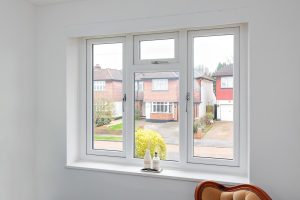
FENSA stands for the Fenestration Self-Assessment Scheme**, which is a UK government-authorised scheme that helps homeowners ensure their replacement windows and doors conform to Building Regulations.
When a company is FENSA registered, it means they have been assessed and meet certain standards, including training, technical knowledge, and ongoing inspection of their work. Homeowners can benefit from FENSA because registered companies provide a certificate upon installation, indicating that the work complies with relevant building laws, facilitating any future home sales.
You can find more information about FENSA, including how the scheme works on their official website: [FENSA](https://www.fensa.org.
It is a very good idea to shop around with local and national Double Glazed Windows Companies. By using Glazing Network we can connect you with over 4000 double glazed windows companies throughout the UK. Please use our quote form to receive up to 4 quotes from local double glazing companies or scroll through the companies and contact them directly.
