


What is the average value of R as well as SHGC of triple glazed windows?
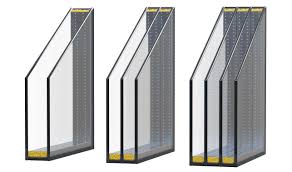
R’s values for both triple-glazed and double-glazed windows range between 3 to 3.7 and up to 5, respectively (R determines the rate of heat flow; the number ranges between 7 – 8, meaning triple glazed windows are better at blocking the flow of heat compared to any double-glazed windows).
U-values and SHGC of triple-glazed windows –
The U-factor ranges from 0.19 to 0.25, while the SHGC lies between 0.39 to 0.47. (1/value of R = U factor).
The U-factor reveals the flow of heat through the window and the added coat on the surface.
**The U-value is the term for defining or elaborating the thermal output of glazing windows. The aspects involved are determined by BS EN 673:1998.**
**The term SHGC implies the amount of heat that passes through as heat after striking windows. The number lies between 1 and 0.
The greater the SOLAR HEAT GAIN COEFFICIENT (SHGC), the better the heat transfer.**
The calculated U-value implies the loss of thermal energy through any material; therefore, the lower the value of U, the more efficient its performance will be conserving heat during the cold seasons.
Architectural glazing specification comprises different identities that are all relevant while choosing any triple-glazed window.
- PSIG – shows the thermal output of the spacing between the glazing units
- Uf value – reveals the output of the framework.
- Ug value – implies the heating output of the glass panel.
- Gas fills – generally, argon and krypton are used to lower the conductive and the convective transfer of heat.
- Fritting – applied on the surface of the glass in various color patterns.
Consult with our certified window installers today to learn more –
More features for consideration –
For coming down to the overall output of any architectural glazing installation and specifics, one must consider the above values in addition to the opening of the window panes, framing style.
All certified triple-pane windows are equipped with a good Ug value simply because they are better insulating materials than any double glazing windows.
However, one must realize the windows’ framing space before installing triple-glazed windows – partly because there are more glasses to be fit, which is often lacking in archaic building structures.
- Read more on what to do if you can’t fit glazing windows at all.
Certainly, the extra glasses add weight to the whole unit; hence, they require closer inspection and intensive handling.